
How to Select Galvanized Steel Coils? Shandong Chengshi Metal Manufacturing Co., Ltd. Explains the Key Considerations.
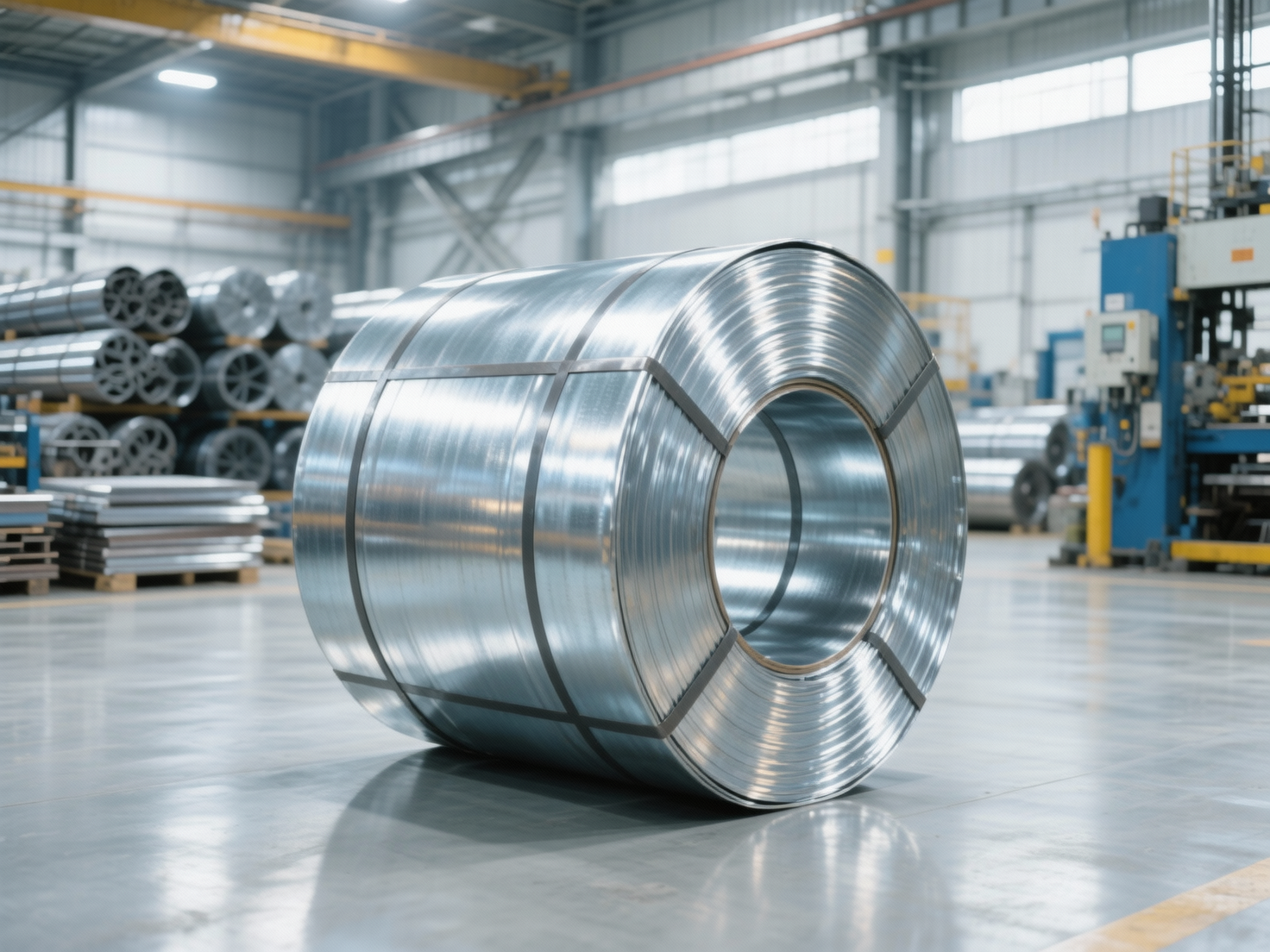
In sectors such as construction, home appliances, automotive manufacturing, and photovoltaic mounting systems, galvanized steel coils have become one of the most widely utilized steel products due to their exceptional corrosion resistance and processing capabilities. However, given the diverse range of operating environments and processing requirements, the scientific selection of the appropriate product has become a key priority for many purchasing clients. Drawing upon years of experience in steel exports, Shandong Chengshi Metal Manufacturing Co., Ltd. has compiled a guide outlining several key considerations for selecting galvanized steel coils.
I. Clarify Coating Type and Coating Weight
Based on the coating process, galvanized steel coils are primarily categorized into two types: hot-dip galvanized and electro-galvanized. Hot-dip galvanizing produces a thicker coating with superior corrosion resistance, making it suitable for applications such as outdoor construction and structural components. Electro-galvanizing, conversely, offers a high-quality surface finish and is better suited for fields with stringent surface quality requirements, such as home appliances and electronic components. Clients should select an appropriate coating weight (typically expressed in g/m²) based on the actual operating environment; generally, a higher coating weight corresponds to a longer service life in terms of corrosion protection.
II. Focus on Substrate Material and Strength
The substrate material of a galvanized steel coil directly impacts its processing performance and structural integrity. Common materials include DX51D, DX52D, and the SGC series, each corresponding to distinct tensile properties and yield strengths. For components requiring deep drawing, bending, or complex forming, it is advisable to select materials with high elongation properties to prevent cracking or coating detachment during the manufacturing process.
III. Select Appropriate Surface Treatments
Galvanized steel coil surfaces can undergo various treatments, such as passivation, anti-fingerprint coating, or oiling. During export via sea freight, passivation and oiling treatments are effective in preventing the formation of "white rust." Anti-fingerprint treatments are particularly suitable for applications with high aesthetic demands, such as home appliance panels. Our company can provide tailored recommendations for surface treatments based on the specific climatic conditions of the client's destination and their chosen mode of transportation.
IV. Rely on Professional Suppliers to Ensure Quality Traceability
As an enterprise integrating both manufacturing and international trade, Shandong Chengshi Metal Manufacturing Co., Ltd. strictly adheres to international standards—such as ASTM, JIS, and EN—throughout its production processes. We provide a complete Material Test Certificate (MTC) for every batch of products. We recommend that clients, when making procurement decisions, select suppliers that demonstrate stable supply capabilities and possess a robust quality traceability system to ensure the smooth and successful progression of their projects. For further product details or assistance with product selection, please feel free to contact Shandong Chengshi Metal Manufacturing Co., Ltd. We are committed to providing you with professional technical support and services.
Related Posts
- ▶ To ensure the quality of steel exports, Shandong Chengshi Metal Manufacturing Co., Ltd. has strengthened its packaging and logistics management.
- ▶ How to Select Galvanized Steel Coils? Shandong Chengshi Metal Manufacturing Co., Ltd. Explains the Key Considerations.
- ▶ Supporting Infrastructure Projects in Southeast Asia: Shandong Chengshi Metal Manufacturing Co., Ltd. Completes Export Delivery of 10,000 Tons of Steel
Send Us A Message
First class quality service and professional after-sales team.
Get in Touch
*We respect your confidentiality and all information are protected.